
By using this site, you agree to the Privacy Policy and Terms of Use.
Accept
BrandiQBrandiQBrandiQ
  • Brand & Marketing
  • Industry News
  • Market Intelligence
  • Business & Economy
  • Technology & Digital
Reading: Why Gen Z Buys into Brands That Act Like People, Not Corporations
Share
0

No products in the cart.

Notification Show More
Font ResizerAa
BrandiQBrandiQ
0
Font ResizerAa
  • Brand & Marketing
  • Industry News
  • Market Intelligence
Have an existing account? Sign In
Follow US
© 2026 Brand IQ. All Rights Reserved.
Uncategorized

Why Gen Z Buys into Brands That Act Like People, Not Corporations

Nathaniel Udoh
Last updated: August 6, 2025 3:58 pm
Nathaniel Udoh
August 6, 2025
Share
4 Min Read
Why Gen Z Buys into Brands That Act Like People, Not Corporations
SHARE

In 2024, the most powerful brands aren’t just known for what they sell – they’re loved (or cancelled) based on what they believe.

Welcome to the age of brand culture – a world where Nike inspires movements, Apple defines identity, and smaller brands like Rema, Sharon Ooja, or SKIMS are building cult-like followings not because of just product quality, but because of emotional connection.

- Advertisement -

From Products to Personalities

Today’s youth are not buying products, they’re buying personalities. Whether it’s Spotify Wrapped, Tems’ ethereal aesthetic, or Fenty Beauty’s inclusive image, Gen Z consumers are asking:

  • “Does this brand reflect my values?”
  • “Do they stand for something beyond profits?”
  • “Can I see myself in their story?”

According to a 2023 Deloitte study, 57% of Gen Z globally say they’ve stopped buying from a brand because of a conflict in values – from sustainability to social justice. This isn’t just a marketing issue – it’s a cultural alignment test.

- Advertisement -

Case Study 1: Nike and the Art of Cultural Risk

Nike’s “Dream Crazy” campaign featuring Colin Kaepernick was not just a commercial, it was a cultural statement. While it polarized some, it created deep emotional loyalty among a younger, progressive demographic.

Even in Nigeria, when local athletes or influencers wear Nike gear, it signals boldness, individualism, and belief in self all traits that Gen Z aspires to.

Case Study 2: Alté Movement as Brand Culture

- Advertisement -

Closer to home, Nigeria’s Alté movement: featuring artists like Odunsi, Tems, Lady Donli, Wavy The Creator has created a counter-cultural brand culture that fuses music, fashion, visuals, and even political awareness.

Alté is more than a sound, it’s a statement. It says: “I don’t conform. I define.”

Brands like Motherlan, Vivendii, and WAFFLESNCREAM have latched onto this ethos, creating streetwear brands that mirror underground youth culture, sell out in minutes, and live more on Instagram than in physical stores.

- Advertisement -

Brand Culture = Brand Community

When people wear Apple, they’re not wearing tech. They’re broadcasting their creativity.
When they use Flutterwave, they’re not just moving money, they’re aligning with African excellence. When they shop from Thrift Factory or Jumia Fashion, they’re not just saving money – they’re curating aesthetic and identity.

Brands that build strong cultures do three things right:

  1. Stand for something meaningful
  2. Talk like humans, not corporations
  3. Create a space for their community to express themselves

Lessons for Nigerian Brands

- Advertisement -
  1. Don’t just push product, create conversations.
    Young people want to interact, not be sold to.
  2. Own a story.
    Whether it’s “for the streets” (Zlatan) or “for the rebels” (Alté), brands need a narrative.
  3. Culture is co-created.
    Allow your audience to remix, reinterpret, and reimagine your brand. UGC (user-generated content) is now a primary form of branding.

Final Thought: Brands Are Becoming Cultures, So Build With Intention

In the new world, your product is your proof, but your culture is your magnet. You can have the best phone, sneaker, or music, but if your brand doesn’t resonate emotionally or socially, you’ll struggle to build loyalty.

As one Gen Z fan put it on X: “We don’t follow brands anymore. We follow vibes.” So, whether you’re a media house, a skincare label, a fintech startup, or a streetwear designer, ask yourself:


What culture are we building and who are we building it for?

Engage the Audience

Want to feature a Nigerian brand you believe is more than just a product but a vibe?
Tag us on Instagram or X with #BrandiQBrandCulture and let us see who’s really living the culture.

- Advertisement -

You Might Also Like

World Cup: Nigeria to Face DR Congo in Africa Playoffs Final
U-20 W’Cup: Flying Eagles seek redemption against Saudi
Nigeria won’t accept Trump’s deportee deal like Rwanda, S’Sudan – FG
Nigerians Abroad Sparkle as Ndidi, Arokodare Reach Milestones Games
CAF Appoints 73 Refs for AFCON 2025
Share This Article
Facebook Whatsapp Whatsapp LinkedIn Telegram Email Copy Link Print
What do you think?
Love0
Sad0
Happy0
Sleepy0
Angry0
Dead0
Surprise0
Wink0
ByNathaniel Udoh
Follow:
Nathaniel Udoh, is BrandiQ Head of Research and Business Analysis. He is a graduate of mass communication, with a master’s degree in political science, and over 10 years’ experience in research, data-journalism and public relations.
Previous Article Afrobeats, Algorithms & Authenticity How Gen Z Is Reinventing the Sound of Nigeria Afrobeats, Algorithms & Authenticity: How Gen Z Is Reinventing the Sound of Nigeria
Next Article Palm Oil Market How Nigeria Lost Global Market Leader to Indonesia, Malaysia, Thailand and Columbia Palm Oil Market: How Nigeria Lost Global Market Leader to Indonesia, Malaysia, Thailand and Columbia
Leave a Comment

Leave a Reply Cancel reply

Your email address will not be published. Required fields are marked *

Weekly Newsletter

Subscribe to our newsletter to get our newest articles instantly!

Follow US

Find US on Social Medias
FacebookLike
XFollow
YoutubeSubscribe
TelegramFollow
Popular News
Uncategorized

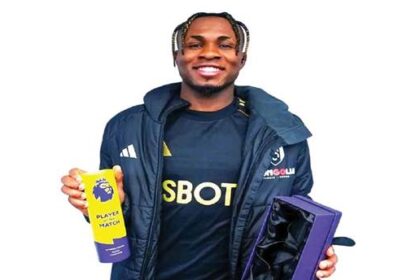
Chukwueze relishes EPL MOTM award

Joshua
By
Joshua
December 1, 2025
How The Signage Industry Boosts Revenue to the National Economy” – Uwamai Igein
Seplat’s 9-Month Revenue Hits N3.3trn
Jetour Showcases AI-Enhanced Vehicles at Abuja Fair
Knorr Strengthens South-East Ties Through Culture, Cuisine

You Might Also Like

Empowering the Next Generation of Brand Leaders

August 10, 2025

Ndidi Nets First Super Lig Goal in Besiktas Win

October 23, 2025

Stanbic IBTC reports N278.48bn profit

October 27, 2025
Palm Oil Market How Nigeria Lost Global Market Leader to Indonesia, Malaysia, Thailand and Columbia

Palm Oil Market: How Nigeria Lost Global Market Leader to Indonesia, Malaysia, Thailand and Columbia

August 8, 2025

Okoronkwo Unfazed by CAF Award Snub

November 19, 2025

Falconets End WAFU B Tournament Unbeaten

November 13, 2025

Iwobi Among Most Creative EPL Players

December 10, 2025

Access Holdings, Coronation Group showcase Nigerian art in UK

October 18, 2025
- Advertisement -
Facebook Twitter Youtube

Subscribe to BrandiQ Newsletter

Subscribe to our newsletter to get our latest articles instantly! Don't worry, we don't spam.
Brand IQ

BrandiQ is Africa’s leading digital platform for brand strategy, business innovation, marketing insights, and data-backed intelligence shaping African markets.

  • News
  • Business Insight
  • About Us
  • Contact Us
  • Privacy Policy
  • Terms & Conditions

Copyright 2013 – 2026 Brand IQ. All Rights Reserved

Welcome Back!

Sign in to your account

Username or Email Address
Password

Lost your password?