


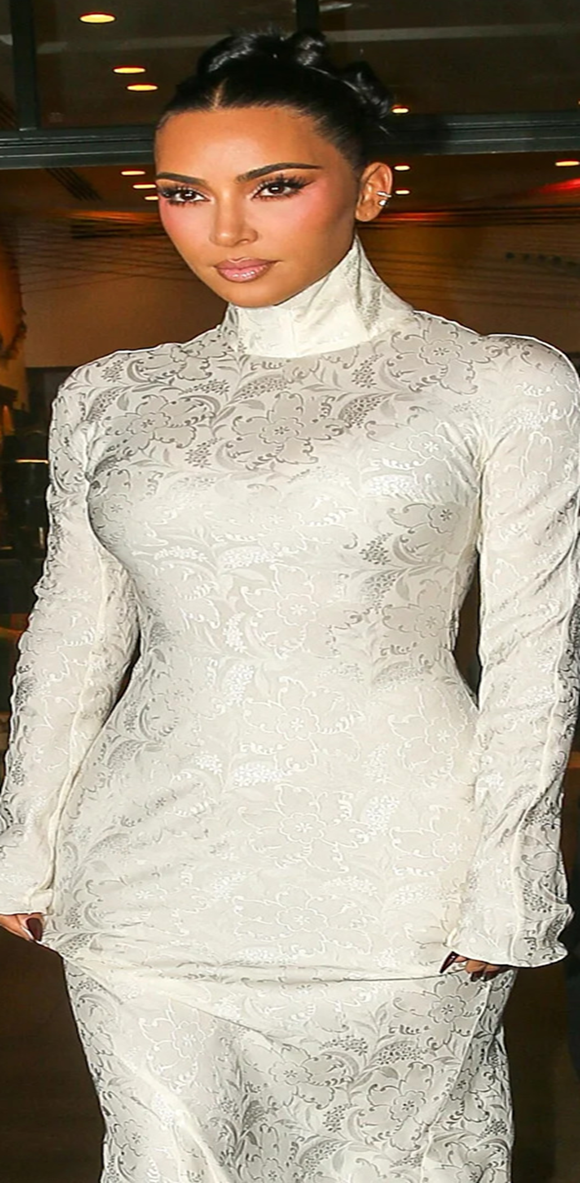
As brands increasingly rely on celebrity power to drive influence, loyalty, and cultural relevance, Kim Kardashian’s bold transparency after failing the bar exam offers a masterclass on honesty, emotional intelligence, and proactive reputation control – qualities many brands still overlook when managing their star ambassadors.
By Mary Adebiyi and Emmanuella E
In today’s media-driven world, brands often partner with celebrities to amplify their image, win public affection, and deepen consumer loyalty. The idea is simple: a popular face adds instant familiarity, trust, and aspirational appeal. But while many brands meticulously manage their messaging, few pay equal attention to managing the very human, imperfect persons they sign on as ambassadors. In too many cases, this oversight backfires, and when the celebrity stumbles, the brand often tumbles with them.
That gap is at the heart of what separates crisis management from managing a crisis. The former refers to a systemic, strategic approach: building structures, protocols, risk frameworks, and communications plans to anticipate and absorb shocks. The latter is reactive – scrambling to control damage after a scandal erupts. For brands that rely on celebrity appeal, proactive crisis-management frameworks are no longer optional; they are critical.
When Celebrity Crises Hit Home: The Nigerian Context
Nigeria’s entertainment and marketing scene offers several cautionary tales. High-profile stars such as Davido and Burna Boy, Flavour – whose names alone have attracted lucrative endorsement deals from global and local brands – may sometimes find themselves embroiled in controversies that can threaten not only their personal reputations but also the financial and brand interests tied to their endorsements.

Yet too often, brand owners treat such crises as separate from the brand – isolated to the celebrity alone. The result: when public opinion swings, due diligence is forgotten, and brand equity gets damaged collateral.
Globally, such misalignments have cost brands millions. In many scandals – from misconduct allegations to financial or legal controversies – endorsement contracts are terminated, brand reputation suffers, and consumers grow wary. For emerging-market brands particularly, where consumer trust is fragile and media amplification rapid, the fallout can be devastating.
Crisis Management vs. Managing a Crisis
To clarify: crisis management is proactive, structured, and embedded in a brand’s DNA. It assumes that a crisis may come, and prepares the brand (and its associated persons) with policies, communication frameworks, reputation buffers, contingency plans, and continual monitoring.
By contrast, managing a crisis happens when something has already gone wrong – it is fire-fighting, damage limitation, apology statements, and PR patches. It may help short-term survival, but rarely restores long-term trust fully if foundations weren’t built.
For celebrity brands, the difference matters, because celebrities are not just endorsers; they are living, unpredictable human beings. Their moods, actions, public statements, and private life – all unpredictable – can quickly become public narratives. Without structured crisis-management deterrents and protocols, brands aligned with celebrities risk collapse when reputational storms hit.
A Case Study in Transparency: When Celebrity Crisis Is Handled Right

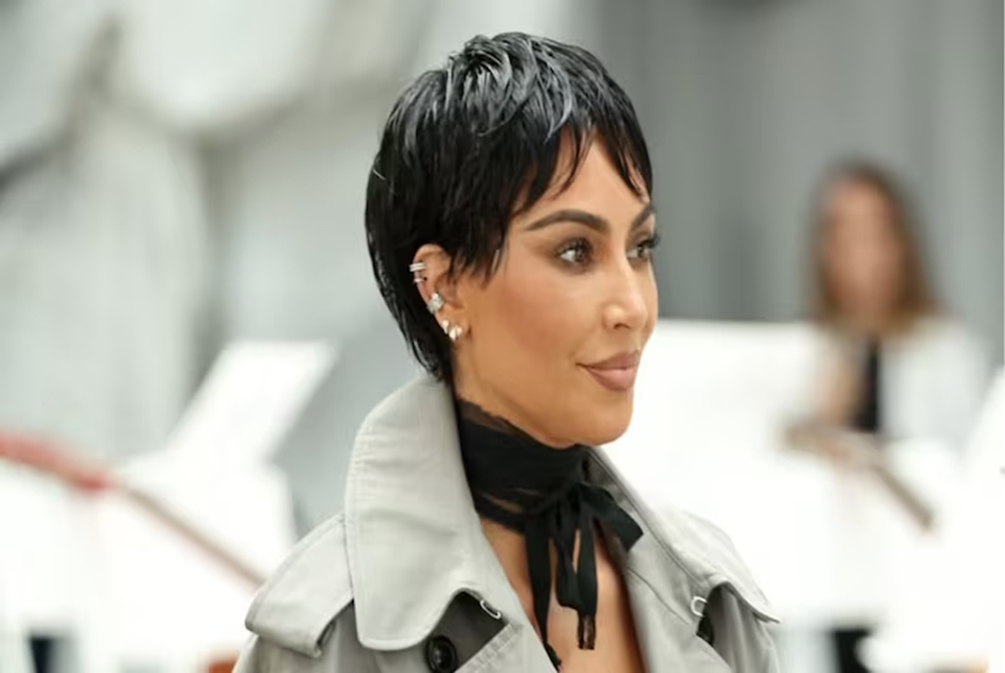
Consider the recent experience of Kim Kardashian. After sitting for the California bar exam in July 2025, she did not pass. Rather than hide the outcome, Kim chose to publicly share the result via social media before rumours and speculation took hold. In an interview with TIME magazine, she explained that she elected to “mention it first and let people know that it didn’t go my way,” knowing that the results would go online soon.
Her candour: acknowledging discomfort, admitting that confidence was shaken, yet refusing to dwell on failure – turned a potential reputational setback into an act of vulnerability and authenticity. She framed it as a temporary setback and emphasized her determination to continue studying. By doing so, she reclaimed the narrative – emphasizing her humanity, her commitment, and her resilience.
This is not spin. It is credible, responsible public relations. It reflects respect for her audience, and protects the larger brand ecosystem around her – projects, endorsements, ventures – by confronting reality rather than hiding it.
Kim’s example offers powerful lessons for brands working with high-profile personalities, especially in volatile markets.
Why Brands Must Treat Celebrity Partnerships Like Corporate Partnerships
Brands often celebrate celebrity endorsements as marketing coups. But this thinking reduces a living identity to a marketing channel. In reality, it’s a partnership – one that deserves as much care and governance as any business joint venture.
Brands should insist on alignment of values, transparency, risk assessment, and communication protocols with their celebrity partners. Before signing – and periodically after – there should be a framework: Reputation audits, Values alignment checks, Communication guidelines (what’s acceptable, what’s not), Crisis-response planning (who speaks, when, how), Shared commitment to transparency and accountability
This is not about controlling personal lives. It is about acknowledging shared risk and responsibility.
What Nigerian Brands Stand to Lose – or Gain
In Nigeria, an endorsement deal seldom covers just one campaign. It spans social media, public appearances, PR, investor relations, and consumer trust. When a celebrity becomes controversial, every strand of that network is at risk.
Brands that ignore the risk could suffer consumer boycotts, reputational loss, or even regulatory scrutiny. But brands that embed crisis-management discipline into their celebrity deals turn volatility into resilience – preserving brand equity, consumer trust, and long-term value.
And in a world where 24/7 social media amplify mistakes globally, this discipline is no longer optional.
A Call to Action for Brand Leaders
For brand stewards in Nigeria, Africa, and beyond: if you partner with a celebrity, treat the relationship as a strategic alliance and not a short-term advert. Develop a Celebrity Risk Charter. Embed crisis-preparedness in every contract. Prioritise truthfulness, sincerity, transparency, not just in hope, but in reality.
Because when crisis eventually comes – as it often does – only brands that prepared will survive unscathed.
As brands increasingly rely on celebrity power to drive influence, loyalty, and cultural relevance, Kim Kardashian’s bold transparency after failing the bar exam offers a masterclass on honesty, emotional intelligence, and proactive reputation control – qualities many brands still overlook when managing their star ambassadors.