

Nigeria is stepping up efforts to close its energy access gap and accelerate rural industrialisation through a new strategic partnership with United Nations Industrial Development Organization and the Chinese government.
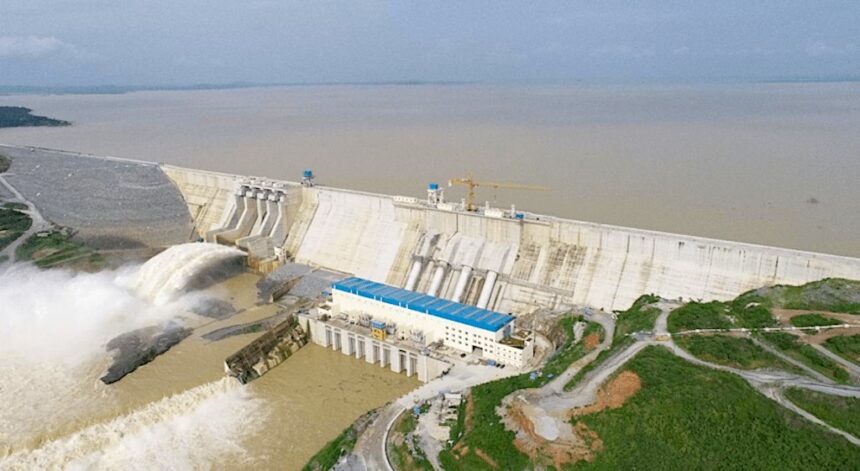
At the centre of this collaboration is the launch of a Small Hydropower Centre of Excellence in Abuja – a landmark initiative designed to expand renewable energy capacity, strengthen technical expertise, and unlock underutilised hydropower resources across Nigeria and West Africa.
From Policy to Execution: Building Africa’s Renewable Backbone
Funded by the China International Development Cooperation Agency, the project signals a shift from policy ambition to infrastructure-led execution in Nigeria’s energy transition journey.
The centre, hosted at the University of Abuja, will serve as a regional hub for:
- Technical training and capacity building
- Policy development and regulatory support
- Knowledge transfer in small hydropower deployment
- Integration of hybrid renewable systems (hydro, solar, wind)
This positions Nigeria not just as a beneficiary, but as a knowledge exporter within West Africa’s clean energy ecosystem.
Why Small Hydropower Matters Now
Despite abundant renewable resources, Nigeria has developed less than 5% of its small hydropower potential, leaving a significant gap in affordable and reliable electricity—particularly in rural communities.
Small hydropower presents a high-impact solution because it:
- Supports off-grid and decentralised energy systems
- Enables agro-industrial productivity (irrigation, processing, storage)
- Reduces dependence on fossil fuels
- Strengthens climate resilience
According to United Nations Industrial Development Organization, unlocking this segment could significantly improve energy access, job creation, and industrial growth.
Strategic Impact: Energy as an Economic Multiplier
For Nigeria, the implications extend far beyond electricity.
The initiative is expected to:
- Accelerate rural electrification, especially in underserved regions
- Boost agricultural value chains, from production to distribution
- Create jobs across engineering, construction, and energy services
- Strengthen local technical capacity, reducing reliance on foreign expertise
As energy remains a core constraint on productivity, this project positions hydropower as a catalyst for inclusive economic growth.
Global Collaboration, Local Transformation
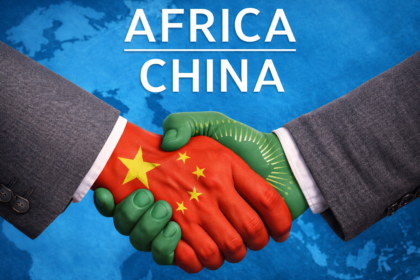
The partnership reflects a broader China–Africa–multilateral cooperation model, combining:
- Financing and technical support from China
- Industrial development expertise from United Nations Industrial Development Organization
- Local implementation and policy alignment by the Nigerian government
China’s own experience – where small hydropower supports hundreds of millions of people -offers a scalable blueprint for Nigeria’s energy expansion strategy.
BrandiQ Insight
This initiative underscores a critical shift in Africa’s development narrative:
energy infrastructure is no longer just a utility investment – it is a strategic economic lever.
By institutionalising knowledge, building local capacity, and integrating renewable systems, Nigeria is positioning itself to move from energy deficit to energy-enabled growth.
If effectively executed, the Small Hydropower Centre of Excellence could become a template for decentralised, sustainable power development across Africa – linking energy directly to productivity, jobs, and long-term economic resilience.