
German companies are ramping up investments in Nigeria’s fast-growing food sector, projected to hit €222 billion by 2026, signalling deepening economic ties between both nations.
At Agrofood Nigeria 2026 in Lagos, German Consul-General Daniel Krull highlighted opportunities in infrastructure, logistics, and agri-processing.
Trade between both countries has surged, with German exports to Nigeria rising to $963.4 million in 2024, driven by machinery, chemicals, and agricultural inputs.
Paul Marz of Fairtrade Messe emphasized the role of technology transfer in boosting local production and food quality.
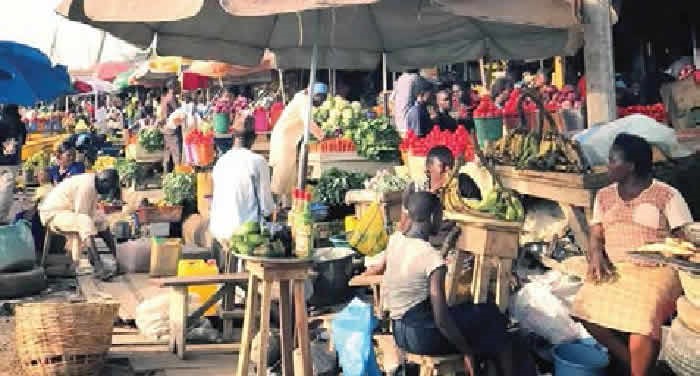
Meanwhile, @LagosStateGovt – Lagos State Governor Babajide Sanwo-Olu noted that Lagos’ food economy has grown to over N16 trillion, positioning it as Africa’s largest consumption hub.
Key focus areas include:
- Cold chain infrastructure
- Mechanisation and farmer training
- Reduction of post-harvest losses (currently over 35%)
BrandiQ Analysis
Strategy Focus:
- Technology transfer & partnerships
- Agro-industrialisation
- Infrastructure-led growth
Market & Economic Implications:
- Increased foreign direct investment in agriculture
- Job creation in agri-tech and logistics
- Strengthened Nigeria–EU trade relations
BrandiQ Takeaway:
Nigeria’s food sector is no longer just agriculture – it’s becoming a high-value investment ecosystem attracting global players.