


PalmPay says it has grown its user base to 35 million, a milestone that underlines both its rapid rise and the broader transformation of Nigeria’s financial system from cash dependence to digital transactions.
The headline number is impressive, but the deeper story lies elsewhere. Nigeria’s fintech contest is no longer simply about downloading apps or attracting venture capital. It is increasingly about becoming embedded in the daily financial lives of millions of consumers.
Since launching in 2019, PalmPay has expanded beyond its origins as a payment application into a broader financial services platform. Its growth mirrors rising demand for faster transfers, mobile wallets, merchant payments and easier access to financial tools in a country where traditional banking has often been slow, costly or geographically limited.
Why Scale Alone Is No Longer Enough
For years, fintech success was measured largely through customer acquisition. Investor presentations celebrated downloads, registrations and headline growth metrics.
That phase is maturing.
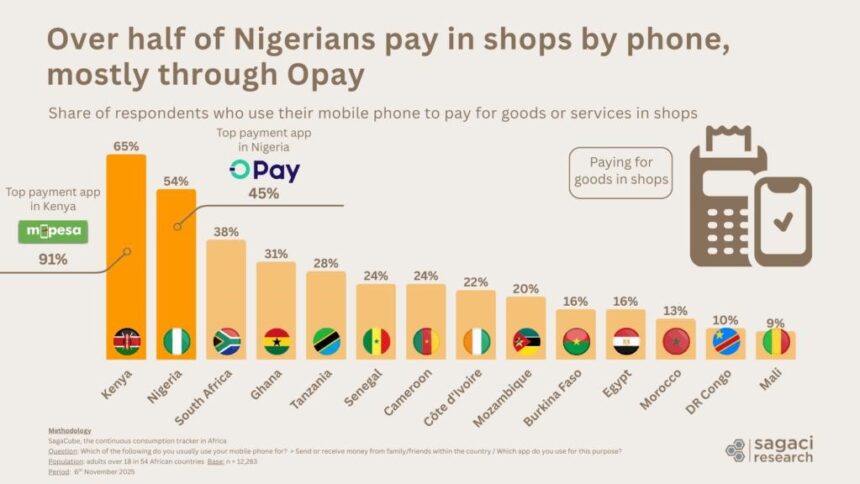
The more serious question in 2026 is whether users remain active, trust the platform and integrate it into routine behaviour such as transfers, savings, airtime purchases, merchant payments and business transactions. In other words, the battle has shifted from acquiring users to owning habits. PalmPay’s reported growth therefore matters less as a vanity metric than as evidence that digital finance is becoming normalised across everyday Nigerian commerce.
Infrastructure Is Becoming the Real Competitive Edge
The company said it has participated in live transactions on the Nigeria Inter-Bank Settlement System National Payment Stack, a key national infrastructure designed to improve interoperability between banks, fintechs and financial institutions.
That is strategically important.
In fragmented financial markets, consumers care less about backend architecture than whether payments go through instantly, balances update correctly and systems remain reliable. Trust is built through invisible infrastructure. As more fintech platforms compete for similar users, operational resilience may become a stronger differentiator than flashy marketing.
Why Agent Networks Still Matter
Despite rapid mobile adoption, millions of Nigerians remain financially excluded, particularly in rural and underserved communities. That is why PalmPay and rivals continue to invest in agent networks that provide cash in, cash out, onboarding and transfer services.
The future of African finance is often described as digital, but in practice it remains hybrid. Physical human touchpoints still bridge the gap between informal cash economies and formal financial systems. Companies that combine strong technology with dense distribution networks are likely to retain advantage.
Security Is the New Brand Promise
As transaction volumes rise, fraud prevention and customer confidence become central to growth. Biometric authentication, transaction monitoring and user-controlled security tools are no longer optional features. They are core components of brand trust. For fintechs, reputation can be won slowly and lost quickly.
Final Verdict
PalmPay’s 35 million user milestone suggests Nigeria’s fintech market is entering a new phase. The era of simple growth headlines is giving way to a harder contest built on reliability, habit formation, security and real-world usefulness. In digital finance, scale attracts attention. Utility keeps it.