

Nigeria’s electricity sector is leaking billions of naira each month—not from fuel costs or generation shortages, but from inefficiencies in transmission.
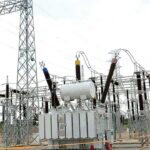
The Nigerian Independent System Operator has disclosed that the country loses between N5 billion and N8 billion monthly due to transmission inefficiencies, highlighting the scale of structural losses in the national grid.
The cost of inefficiency
At inception, system losses were estimated at nearly 10 per cent, a level that significantly undermined both revenue collection and grid stability.
Through recent reforms, the operator says losses have been reduced to approximately 7.05 per cent, with a medium-term target of 5–6 per cent.
Even at reduced levels, the financial leakage remains substantial, reflecting the systemic fragility of Nigeria’s electricity infrastructure.
Digitising the national grid
To address these inefficiencies, NISO is deploying a series of technology-driven reforms:
- SCADA/Energy Management Systems for real-time monitoring
- IoT-enabled metering across transmission and distribution nodes
- Telemetry systems for grid visibility
- Automated market settlement systems
The long-term goal is to transition from manual grid management to real-time, data-driven electricity operations.
From instability to regional integration
Beyond domestic reforms, Nigeria has also achieved trial synchronisation with the West African Power Pool, opening the possibility of cross-border electricity trade.
This development could eventually allow Nigeria to:
- export surplus electricity
- earn foreign exchange
- stabilise domestic grid fluctuations through regional balancing
Structural constraints remain
Despite technological progress, the sector remains constrained by:
- gas supply shortages
- transmission bottlenecks
- ageing infrastructure
- enforcement gaps in compliance
BrandiQ takeaway
- Nigeria’s electricity inefficiency is now a data and systems problem, not only generation capacity problem
- Digital grid management is becoming central to energy reform strategy
- Regional power integration may emerge as a new revenue and stability channel