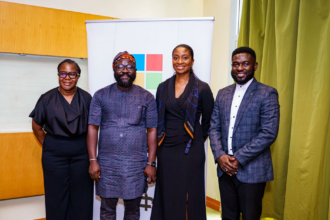


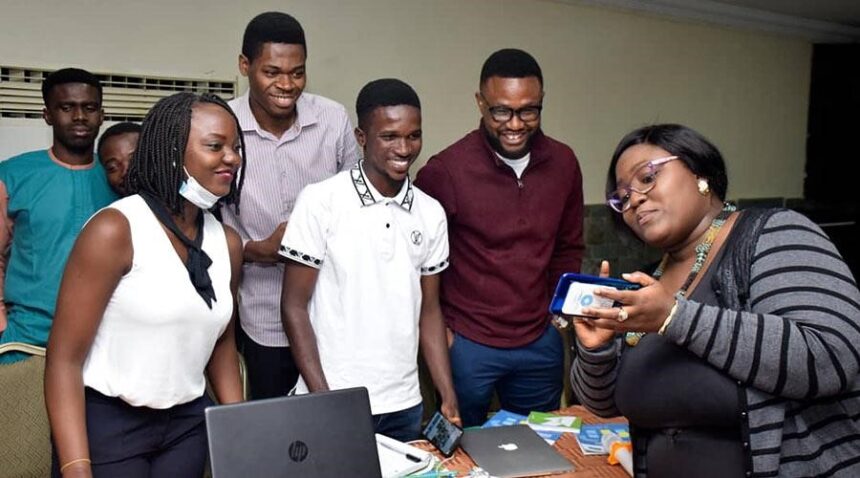
MTN Nigeria and School of Media and Communication, Pan-Atlantic University have opened applications for the fifth edition of their Media Innovation Programme, expanding the annual fellowship cohort to 25 participants as both institutions deepen investment in media talent, digital storytelling and the future of Nigeria’s information economy.
The move may appear to be a corporate training announcement. It is more consequential than that. It reflects a growing recognition that in the digital age, infrastructure alone is not enough. Nations and companies also compete through ideas, narratives, trust and the quality of those who shape public discourse.
MTN’s decision to enlarge the programme from previous cohorts of 20 fellows comes as the telecoms giant marks 25 years of operations in Nigeria. The symbolism is deliberate. As the company celebrates a quarter century of building connectivity infrastructure, it is also presenting itself as a backer of the storytellers, journalists and creators who give that connectivity meaning.
Why Media Talent Has Become Strategic Infrastructure
In earlier eras, investment in communications meant towers, cables and broadcast assets. Today it increasingly includes human capital.
The rapid spread of smartphones, social media, streaming platforms and artificial intelligence has transformed the media profession. Journalists now compete with creators. Newsrooms compete with algorithms. Reputation can rise or collapse in hours.
That has raised demand for professionals who can combine editorial judgement, technological fluency and commercial awareness.
The MTN Media Innovation Programme, launched in 2022 in partnership with Pan-Atlantic University’s School of Media and Communication, is designed to address precisely that gap. The six month fully funded certificate programme combines academic training, industry exposure and international learning experiences.
Its broader aim is to produce media professionals capable of leading in an environment where storytelling, technology and economics increasingly overlap.
A Corporate Strategy Beyond CSR
For MTN, the initiative also signals a more sophisticated model of corporate influence. Rather than limiting social investment to philanthropy, many large companies now seek to shape the ecosystems in which they operate. For a telecoms firm, that ecosystem includes journalists, digital creators, public trust, policy literacy and a healthier information environment.
Supporting media capability can therefore be read as both social contribution and strategic foresight. Tobe Okigbo, Chief Corporate Services and Sustainability Officer @MTN Nigeria, said the expansion reflects the company’s long-term commitment to the growth of the media industry and the people who will shape its future.
His remarks underline an increasingly important business truth: organisations that depend on public trust must also care about the strength of the institutions that produce public information.
Why the School of Media and Communication Matters
The involvement of School of Media and Communication, Pan-Atlantic University gives the programme academic credibility and professional depth.
The school has long positioned itself as one of Nigeria’s leading centres for media education, combining industry relevance with scholarly training. In a sector often criticised for skill gaps, weak monetisation models and inadequate digital readiness, university partnerships provide structure that ad hoc workshops rarely achieve.
Dr Ikechukwu Obiaya, Dean of the School of Media and Communication, said the programme aligns with the institution’s mission of producing competent professionals who can make a difference in society.
That language is significant. Media training is no longer just about employability. It is increasingly about democratic resilience, civic literacy and economic competitiveness.
Why South Africa Is Part of the Design
The programme includes an international component in South Africa, with academic sessions at the University of Johannesburg and engagements with leaders in media, business and policy.
This cross-border element matters because Africa’s media future will not be built in isolated national silos. Questions around platform regulation, creator economies, digital advertising, misinformation and AI disruption are continental issues. Exposure to other African markets can help participants think beyond domestic constraints and identify scalable solutions.
The Rise of the Creator Journalist
Notably, the programme is open not only to traditional media practitioners but also to digital content creators across print, electronic, digital and social media. That reflects the collapse of old distinctions between journalist, publisher, broadcaster and creator.
A YouTube analyst, podcast host or niche newsletter writer may now influence public debate as much as legacy media institutions. Any serious programme preparing media leaders in 2026 must recognise this hybrid reality.
Why This Matters for Nigeria
Nigeria’s media industry remains energetic but financially strained. Newsroom resources are under pressure. Trust levels fluctuate. Monetisation models remain uncertain. Yet demand for credible information has never been higher. That creates a paradox: the need for better journalism and smarter storytelling is rising just as many institutions struggle to fund it.
Programmes such as this cannot solve structural industry problems alone. But they can help build the talent pipeline needed for reform and innovation. They may also strengthen networks among professionals who later shape major newsrooms, startups, public institutions and communication firms.
The Bigger Economic Lesson
Modern economies increasingly reward intangible assets such as knowledge, trust, creativity and networks. Countries that invest only in physical infrastructure while neglecting human capability often underperform.
Seen through that lens, the MTN and Pan-Atlantic initiative is not simply a fellowship scheme. It is an investment in intangible national capacity.
BrandiQ Verdict
The expansion of the MTN Media Innovation Programme suggests that both MTN Nigeria and School of Media and Communication, Pan-Atlantic University understand a changing reality.
Connectivity builds access. Talent builds value.
As media systems are reshaped by technology, the winners will not be those with the loudest platforms alone, but those with the most capable people behind them.