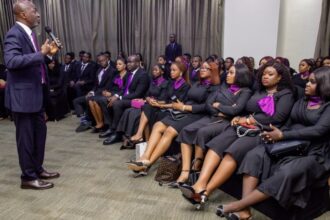

As a student of journalism, at the Nigerian Institute Journalism, NIJ, Lagos, Dr. Dayo Duyile, then Director of the Institute, taught us that journalists are the conscience of the society. They set agenda and watch over the society. They inform, educate and entertain. They mobilise the citizens for national socio-political cohesion and economic development. They hold government accountable on behalf of the citizens. They are the moral compass of any viable society. These are a form of agenda setting for the journalist. Has that agenda changed today? And to what extent has the emergence of digital platforms changed the face of journalism? These are some of the questions the editors at the 21st All Nigeria Editors Conference which began yesterday in Abuja, must contend with.
As the 21st All Nigeria Editors Conference (ANEC) convenes in Abuja, Nigeria’s media community gathers once more at a decisive moment – not just for journalism, but for the soul of the nation’s democracy. This year’s theme, “Democratic Governance and National Cohesion: The Role of Editors,” invites sober reflection on how far we have come, and how far we must still go to reclaim journalism’s moral and civic authority in an age overwhelmed by noise, speed, and digital distortion.
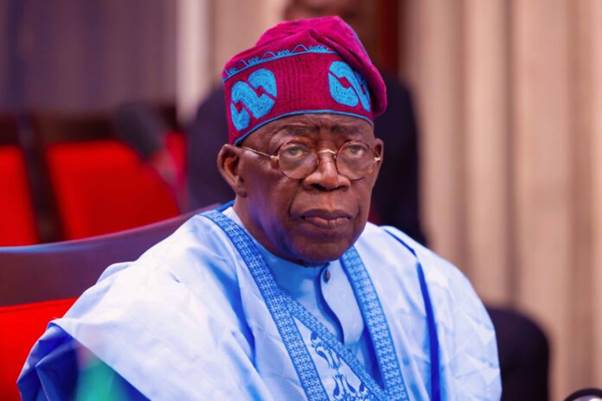
According to a press statement from the Guild, over 500 editors from across the federation are expected to be in attendance at this year’s event, alongside President Bola Ahmed Tinubu, state governors, business leaders, diplomats, and scholars. Distinguished figures such as the Sultan of Sokoto, His Eminence Alhaji Muhammad Sa’ad Abubakar, and Prince Nduka Obaigbena, Chairman of Arise News and ThisDay Newspapers, will chair the sessions. The Governor of Imo State, Senator Hope Uzodimma, is the keynote speaker. Other speakers include Prof. Awa Kalu, SAN, Prof. Sheriff Ghali Ibrahim, Gen. Lucky Irabor (rtd), and Prof. Abiodun Adeniyi, who will interrogate issues ranging from judicial integrity to the disruptive impact of Artificial Intelligence (AI) on journalism.
These are indeed weighty conversations. Yet beyond the speeches, the applause, and the camaraderie, Nigerian editors must confront an uncomfortable question: Have we, the custodians of truth, lost our edge in a digital era that demands even greater courage and clarity?
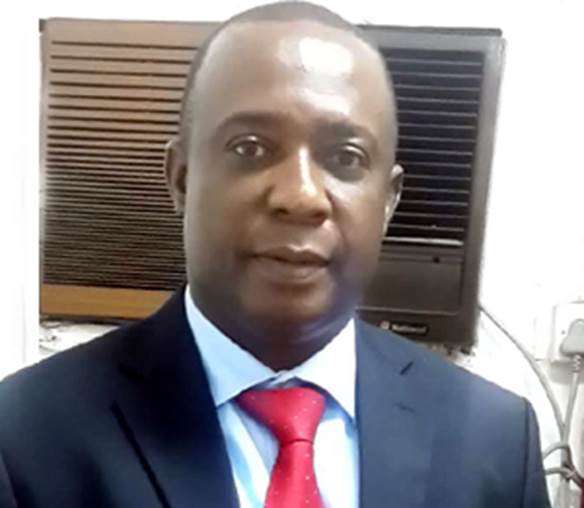
Eze Anaba
Between Power and the People: The Moral Crossroads
The philosopher Jürgen Habermas, in his theory of the Public Sphere, warned that democracy decays when public discourse becomes colonised by power and commerce. In today’s Nigeria, this colonisation is visible – not only in politics but also in the newsroom. The editor’s pen, once guided by conviction and public interest, too often now trembles before advertisers, politicians, and business owners.
This is not merely a professional lapse; it is a philosophical crisis – a loss of what French thinker Michel Foucault would call “the courage of truth.” Journalism, at its best, embodies parrhesia – the fearless speech that risks confrontation with power in defence of the common good.
For decades, editors were the moral sentinels of Nigerian society – the sharp cudgels that kept power in check. From Dele Giwa’s fearless investigations at Newswatch to Ray Ekpu’s piercing essays and Doyin Abiola’s trailblazing editorial courage, the press was once a sacred space of resistance and truth-telling. Today, that moral clarity seems blurred by the glitter of access, political patronage, and corporate influence.
In the digital age, the threat to editorial independence no longer comes only from state repression or military decrees. It now comes, subtly but powerfully, from algorithmic manipulation, click-driven economics, and digital disinformation. As Habermas warned in The Structural Transformation of the Public Sphere, the media can easily be “colonized” by market and political forces, eroding the public sphere where reasoned debate once thrived.
This colonization is visible today in the race for virality over verification, influence over integrity, and engagement over enlightenment. Editors must therefore redefine accountability journalism within the digital ecosystem – one where truth competes with speed, and credibility must coexist with connectivity.
The Digital Challenge: From Gatekeeping to Guiding
In the analogue era, editors were gatekeepers; in the digital era, they must become guides – curators of truth amid the flood of falsehood. The Gen Z generation, raised on the immediacy of social media, no longer looks first to the traditional press for news. Yet they hunger for authenticity, fairness, and context – values the professional editor must reclaim and reassert.
Digital journalism has democratized expression but also fragmented truth. The Nigerian editor must now navigate a landscape where every citizen is a broadcaster and every smartphone a newsroom. This requires new literacies – data literacy, AI literacy, and ethical literacy. Editors must be conversant with fact-checking technologies, content verification tools, and audience analytics, not as ends in themselves, but as instruments for preserving trust – the most valuable currency in journalism today.
The Social Responsibility Theory of the press is even more relevant now than when it was first articulated in the 1950s. Freedom of expression without responsibility to accuracy, ethics, and context is self-destructive. In a digital democracy, editors are not just reporters of facts; they are architects of public reason.
Reclaiming the Courage of Truth
As Nigerian editors rub shoulders this week with the powerful and the privileged, they must resist the temptation to be dazzled by proximity. Collaboration with government and corporate actors can be productive, but co-optation is fatal. The press exists not to echo power but to interrogate it; not to amplify propaganda but to clarify public purpose.
Philosopher Michel Foucault described parrhesia – the courage to speak truth to power – as the essence of public responsibility. That courage remains the editor’s most sacred calling. In times of national confusion, the editor must be both mirror and conscience, refusing to be silenced by convenience or compromised by comfort.
The younger generation of journalists – digital natives, data storytellers, fact-checkers, and citizen reporters – must see in today’s editors not nostalgia, but moral mentorship. If we fail to model integrity in this era of deepfakes and digital deceit, we risk losing journalism’s last moral advantage: credibility.
Conclusion: Building a Responsible Digital Public Sphere
Times have changed. The Nigerian editor must pay attention to data and encourage the growth and practice of data journalism. The Nigerian editor must lead the reinvention of journalism for the digital age. This includes promoting transparency in government data, encouraging digital civic participation, and creating spaces for informed debate that transcend ethnic and political divides.
To paraphrase John Dewey, democracy is not merely a form of government – it is a habit of dialogue. Editors are custodians of that dialogue. In reclaiming that sacred duty, they must ensure that journalism remains what it was meant to be: the people’s last defence against ignorance, injustice, and indifference.
As the 21st All Nigeria Editors Conference unfolds in Abuja, may this gathering not become just another ritual of handshakes and speeches, but a true call to conscience to set a new agenda for accountable, inclusive, and digitally literate journalism in Nigeria. That way, this meeting would have been meaningful and productive.
The BrandiQ Team wishes the Guild well as they deliberate on democracy and national cohesion in Nigeria. Dr. Desmond Ekeh, Publisher of BrandiQ, researches in the intersection of philosophy, politics, and media and communication.