


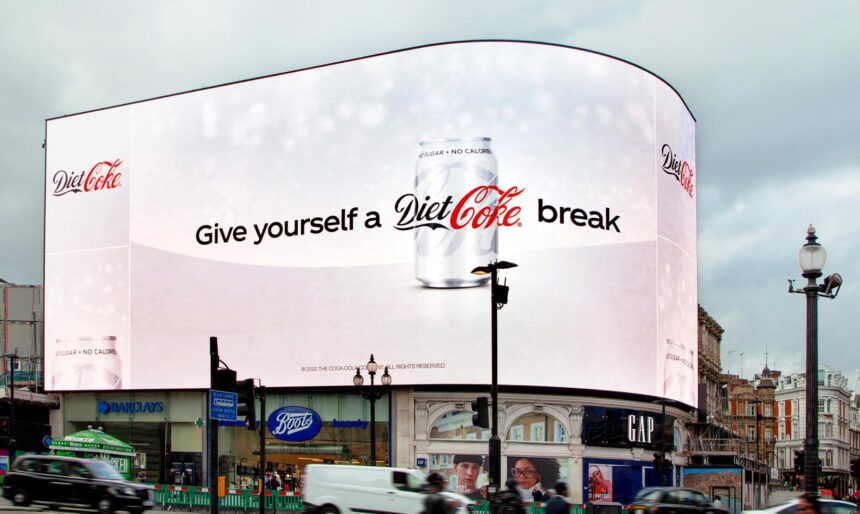
The reported decision by Diet Coke to appoint a new agency for its UK and EMEA creative business may look like a routine advertising account development. It is better understood as a signal of how multinational brands are redesigning growth strategies in a more fragmented consumer landscape.
For decades, global consumer companies often relied on centralised brand campaigns that could be adapted market by market. That model is under pressure. Consumer tastes now shift faster, cultural contexts differ sharply across regions, and digital platforms reward relevance over uniformity.
A regional creative mandate covering the United Kingdom, Europe, the Middle East and Africa suggest that Diet Coke wants more than advertising production. It likely wants a more agile operating model capable of balancing global consistency with local resonance.
Why Regional Creativity Is Becoming More Valuable

The old assumption in multinational marketing was that scale automatically created efficiency. One big campaign, rolled out everywhere, reduced cost and simplified management.
That approach still has advantages, but it struggles in a world where audiences behave differently across markets.
What works in London may not connect in Lagos. Messaging that resonates in Berlin may feel flat in Dubai. Younger consumers, especially, reward brands that feel culturally aware rather than mechanically global.
Regional creative structures allow brands to tailor tone, partnerships, formats and storytelling while preserving core identity. That is increasingly where competitive advantage lies.
Why Diet Coke Needs Reinvention
Diet Coke remains one of the world’s most recognisable beverage names, but heritage brands face a recurring challenge: staying culturally current without losing their equity. Younger consumers are more experimental, wellness conscious and less loyal than previous generations. They also encounter brands through creators, memes, short video and community driven trends rather than traditional television alone.
For legacy brands, relevance now requires continuous reinvention. A refreshed creative structure can help Diet Coke modernise perception, sharpen emotional appeal and sustain visibility across multiple audiences.
Why This Matters for EMEA
The EMEA region is commercially important because it combines mature markets, fast growth economies and highly diverse demographics.
Europe offers scale but intense competition. The Middle East offers premium growth pockets. Africa offers youthful populations and rising long term consumption potential.
Managing all three through one regional lens requires sophistication. Brands must understand affordability in one market, aspiration in another and lifestyle identity elsewhere. That complexity makes agency capability more important than ever.
What Smart Brands Want From Agencies in 2026
Today’s major accounts are rarely just about producing advertisements.
Brands increasingly want partners who can combine:
Creative excellence
Cultural intelligence
Platform fluency
Data informed decision making
Speed of execution
Regional coordination
Commercial accountability
In short, the modern agency is expected to be part strategist, part creative studio and part growth operator.
Lessons for African Brands
This story also carries lessons for companies in Nigeria and across the continent. Many African businesses still treat creativity as an afterthought added after media buying. Global brands are moving the other way. They increasingly see creativity as commercial infrastructure.
As competition rises in telecoms, banking, FMCG and ecommerce, local brands will need stronger identities, sharper narratives and culturally fluent campaigns to defend market share. Media spend alone is becoming less decisive.
Final Verdict
Diet Coke’s reported UK and EMEA agency appointment is more than a procurement decision. It reflects a wider correction in global marketing. As markets fragment and consumers become harder to impress, brands are shifting from centralised mass messaging toward smarter regional creativity. The lesson is simple. Scale still matters. But relevance now matters more.