
In many markets, advertising still shouts. Consumers, however, increasingly ignore the noise.
Television spots compete with streaming platforms. Radio competes with podcasts. Billboards compete with traffic fatigue. Social media ads compete with everything else. Attention, once abundant, has become scarce. In such an environment, brands that merely broadcast messages often struggle to build affection, memory or action.
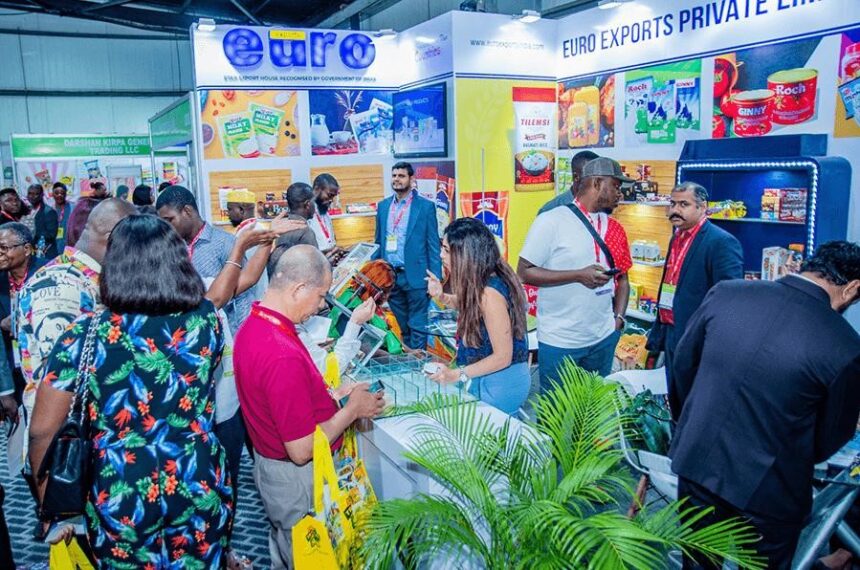
That is why event marketing has re-emerged as one of the most potent commercial tools in modern business. In Nigeria, where competition is intense, youthful demographics are large and consumers respond strongly to social experience, live engagement can outperform expensive media campaigns.
From MTN campus concerts to GTBank Fashion Weekend, from Guinness nightlife experiences to Coca-Cola roadshows, leading brands have quietly discovered an old truth in a digital age: people remember what they experience more than what they are told.
For Nigerian brand managers, the lesson is clear. If advertising creates awareness, events create belief. And belief sells.
Why Traditional Advertising Is Losing Its Monopoly
Advertising still matters. But its dominance has weakened.
Consumers now skip ads, mute ads, scroll past ads and distrust polished corporate messaging. Behavioural science explains why. Repetition alone no longer persuades when audiences feel manipulated or overloaded.
Modern consumers want three things:
- relevance
- authenticity
- participation
Traditional advertising often offers none.
Event marketing, by contrast, allows a consumer to touch, test, ask, laugh, share and remember. It converts passive audiences into active participants.
A shampoo advert says the product works. A live demonstration proves it.
A telecom advert promises speed. A gaming event lets users feel it.
A bank advert talks empowerment. A business fair creates transactions.
That distinction is commercially enormous.
Why Event Marketing Works in Nigeria
Nigeria is especially fertile ground for experiential marketing.
The country has:
- a youthful and social population
- strong music and entertainment culture
- urban centres hungry for leisure experiences
- aspirational consumers
- growing digital amplification through TikTok, Instagram and X
- trust gaps where physical interaction matters more than slogans
In many developed markets, consumers may buy based on habit and convenience. In Nigeria, community influence, peer endorsement and visible participation remain powerful. This means a successful event can become both a marketplace and a media channel.
The Economics of Presence
When a brand hosts or sponsors an event, it does several things simultaneously:
- Creates attention: People notice activity faster than static advertising.
- Builds emotional association: Music, fashion, food, laughter and excitement transfer emotion to the brand.
- Encourages trial: Sampling reduces purchase hesitation.
- Generates data: Registrations, QR scans and leads become future sales assets.
- Creates social proof: Crowds imply desirability.
- Extends reach digitally: Attendees become unpaid publishers.
This is why many modern CMOs increasingly see events not as cost centres, but as growth investments.
Nigerian Case Studies That Reveal the Pattern
GTBank Fashion Weekend: Banking Through Culture
GTBank’s Fashion Weekend remains one of Nigeria’s most sophisticated examples of strategic event marketing. At first glance, it is a fashion event. In reality, it is a brand positioning engine. The bank inserted itself into creativity, entrepreneurship, elegance and SME empowerment. It connected designers, vendors, media, buyers and aspirational consumers. The genius was psychological: GTBank stopped behaving like a bank and began behaving like an ecosystem. That strengthens customer loyalty far more than interest-rate messaging.
MTN Campus Activations: Owning the Youth Pipeline
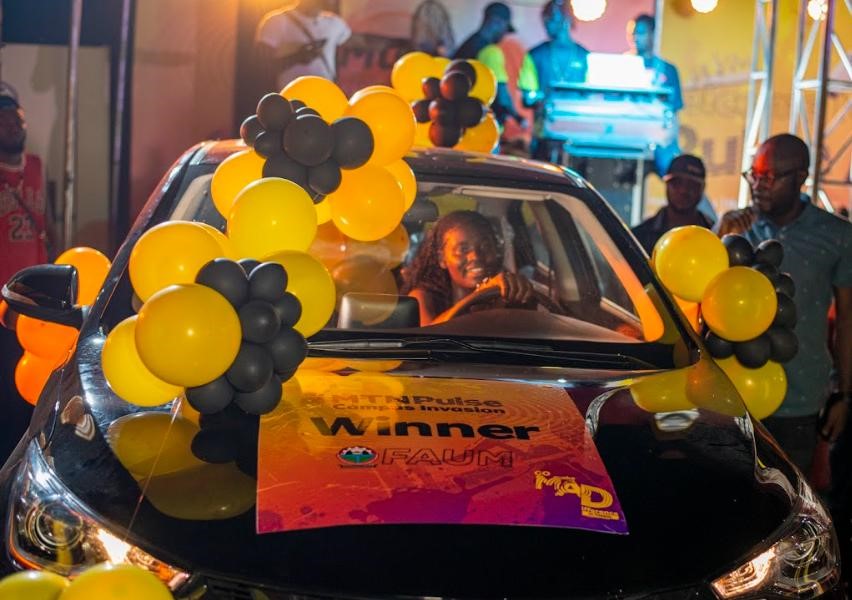
MTN’s campus activations and youth experiences target tomorrow’s high-value customers while they are forming habits. Students who associate MTN with fun, connectivity, identity and belonging are more likely to remain users later. This reflects lifecycle marketing: capture early, retain long. It is cheaper to grow with a customer than constantly acquire new ones.
Guinness and Cultural Cool
Guinness Nigeria’s experiential platforms have often linked the brand with creativity, boldness and nightlife culture. Beer categories depend heavily on identity signalling. People do not merely buy drinks. They buy what the drink says about them. By embedding itself in music, fashion and urban culture, Guinness transforms product consumption into symbolic consumption.
Coca-Cola Roadshows and Sampling
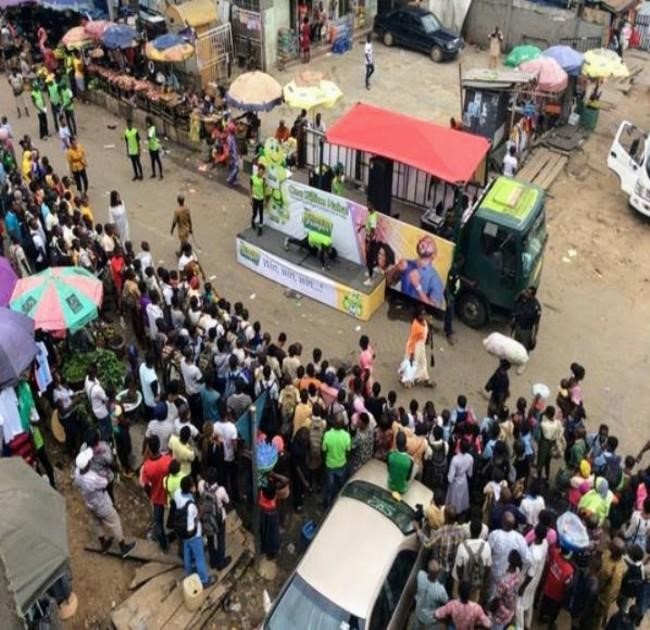
Coca-Cola understands perhaps better than most that habit is built through repeated physical presence. Roadshows, music tours, activations and public events keep the brand visible where life happens, not just where screens glow. Availability plus memory often equals sales.
Why Consumers Trust Experiences More Than Ads
Psychologists call this the mere exposure effect combined with embodied cognition.
People trust what they have encountered physically. A live interaction feels less manipulative than a paid advert. If a consumer tastes a product, sees others enjoying it and speaks to representatives, resistance falls.
This matters in categories where skepticism is high:
- fintech
- telecoms
- skincare
- food
- banking
- insurance
An event can humanise institutions that otherwise feel distant.
The Social Media Multiplier
Modern events no longer end when guests go home.
A well-designed event becomes content:
- reels
- photos
- testimonials
- influencer clips
- user-generated reactions
- earned media coverage
One event can power weeks of digital storytelling. Brands that understand this design events for cameras as much as for attendees. This explains why immersive backdrops, selfie walls, branded experiences and live moments are now common. They are not vanity props. They are distribution tools.
Where Many Nigerian Brands Get It Wrong
Not all events work. Too many companies confuse noise with strategy. Common mistakes include:
Celebrity without purpose: A famous face cannot save a meaningless event.
Crowds without conversion: Thousands may attend and nobody buys later.
Poor data capture: No registrations, no follow-up, no measurable ROI.
Weak brand linkage: Guests remember the party but forget the sponsor.
One-off thinking: Real value comes from recurring platforms, not random spectacles.
What Smart Brand Managers Should Do
1. Start With Commercial Objectives
Ask:
- Do we need leads?
- Sales?
- Trial?
- Loyalty?
- Repositioning?
An event without a business goal is theatre.
2. Choose the Right Cultural Territory
A bank may own entrepreneurship.
A telecom may own youth connectivity.
A brewer may own celebration.
A fintech may own hustle culture.
Strategic alignment matters.
3. Design for Shareability
If nobody posts it, reach remains narrow.
4. Capture First-Party Data
Emails, phone numbers, preferences and purchase intent may be more valuable than the event itself.
5. Follow Up Ruthlessly
Many brands spend millions on events and neglect post-event conversion.
That is where ROI often lives.
Why SMEs Should Also Use Event Marketing
This is not only for giant corporations.
A small business can host:
- workshops
- tasting sessions
- market pop-ups
- fashion showcases
- webinars
- neighbourhood fairs
- customer appreciation events
For SMEs, physical trust-building can outperform expensive advertising. Especially in Nigeria, where referrals matter deeply.
Event Marketing and Institutional Trust
There is also a wider sociological point. In societies where institutional trust is uneven, brands often compensate by becoming more human and visible. Consumers may distrust systems, but trust experiences. This partly explains why Nigerian consumers reward brands that show up physically in communities, campuses, festivals and trade spaces. Presence becomes proof.
What the Future Looks Like
The future of event marketing in Africa will likely combine:
- physical experiences
- creator economy partnerships
- AI-powered lead capture
- personalised offers
- hybrid livestream attendance
- loyalty integration
- data measurement dashboards
The strongest brands will merge emotion with analytics.
Final BrandiQ Verdict
For years, many Nigerian companies treated event marketing as decoration. The smarter ones now treat it as infrastructure.
In a cluttered media environment, live experiences cut through faster than banners. In low-trust markets, human interaction persuades better than polished copy. In competitive sectors, memorable moments can become long-term revenue streams.
This is why the best brands are no longer asking whether to host events. They are asking how to own cultural moments that competitors cannot copy.
For Nigerian brand managers, the message is blunt: if your consumers only see your adverts but never feel your brand, someone else may win their loyalty. In the age of noise, experience is strategy.