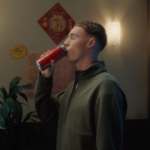


Volkswagen Group Africa has revived one of South Africa’s most memorable television commercials as part of celebrations marking 75 years of operations in the country, using nostalgia, collective identity and modern storytelling to reinforce the enduring strength of the VW brand.
The refreshed version of the celebrated VW You and Me advert from the late 1980s reintroduces a campaign that once captured the imagination of South African audiences. More than a remake, it is a strategic statement about longevity, resilience and the continuing relevance of human-centred brands in a crowded and fast-changing marketplace.
At a time when many companies chase short attention cycles, Volkswagen has chosen a different route: returning to emotional memory while renewing meaning for a new generation.
Why This Campaign Matters
Volkswagen’s decision is commercially intelligent. In marketing, heritage can be a powerful competitive advantage when used with discipline. Many legacy brands possess history, but few know how to convert it into contemporary relevance.
The original advert was recognised in 1988 as one of South Africa’s most loved commercials. It showed thousands of employees of different races and ages working together around a shared purpose. In a divided era, the message was strikingly ahead of its time.
Today, the updated campaign arrives in a different South Africa, but the core idea remains potent: people create greatness together. That message resonates deeply with the African philosophy of Ubuntu – I am because we are. Ubuntu teaches that human flourishing emerges through community, dignity and mutual recognition. In business terms, it means organisations become stronger when employees, customers and society feel included in a common mission.
Volkswagen’s remake implicitly communicates this philosophy. The brand is not merely selling vehicles. It is selling belonging, continuity and trust.
The Strategic Value of 75 Years
Few multinational brands maintain relevance across seven decades in an emerging market. To do so requires more than manufacturing capacity. It requires institutional adaptability. Volkswagen has survived currency shocks, political transitions, new entrants, technological shifts, supply chain disruption and changing consumer tastes. That endurance itself becomes a brand asset.
Consumers often associate longevity with dependability. In uncertain economies, especially in Africa, trust matters as much as innovation. Buyers want products that can endure, companies that can service them, and brands likely to remain present tomorrow.
By celebrating 75 years, Volkswagen is signalling permanence. That is especially important in the automotive sector, where purchase decisions are high involvement, emotionally weighted and financially significant.
Why Nostalgia Works in Modern Advertising
Global brands increasingly mine archives because nostalgia performs strongly when audiences feel overwhelmed by rapid change. Modern consumers face economic pressure, digital fatigue and endless content fragmentation. Familiar symbols offer reassurance.
Volkswagen’s campaign taps three psychological triggers:
Memory: Older audiences reconnect with a trusted era.
Identity: Younger audiences inherit a national cultural symbol.
Continuity: The brand appears stable despite market turbulence.
This is why legacy campaigns often outperform entirely new concepts when executed well. They already possess emotional equity.
Employees as Brand Ambassadors
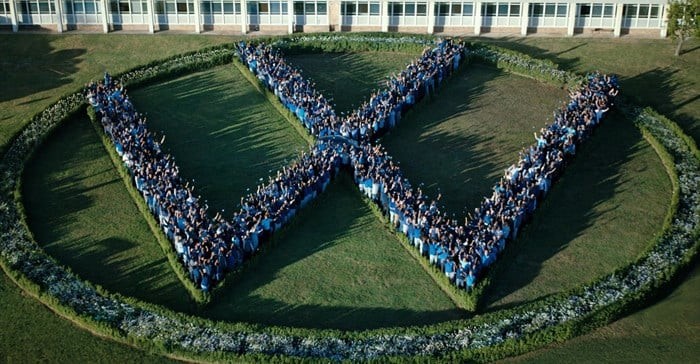
One of the strongest features of the refreshed campaign is the visible participation of workers. More than 1,500 employees reportedly formed a human version of the Volkswagen logo, while others appeared in factory scenes and personal moments. This matters because audiences increasingly distrust polished corporate messaging but respond positively to real people.
When employees proudly embody the brand, authenticity rises. In reputation management, internal culture is no longer separate from external marketing. Staff experience, workplace morale and employer credibility now shape public perception.
Volkswagen’s advert therefore does two jobs simultaneously:
It markets to consumers.
It signals pride to employees.
That dual effect is powerful.
Lessons for African Brands
Many African companies underestimate the commercial value of their own histories. They imitate foreign aesthetics while neglecting local emotional capital. Volkswagen’s South African campaign offers a lesson: brand heritage should be curated, not buried. African banks, telecom firms, breweries, consumer goods companies and industrial giants with decades of market presence can modernise legacy narratives for younger audiences.
What matters is not age alone, but meaning. Brands should ask:
What moments shaped public trust?
What memories still live in the culture?
What values endured through crises?
How can those values be retold digitally?
The future often belongs not only to the newest brand, but to the oldest brand that learns how to speak freshly.
Authenticity in the Age of Synthetic Marketing
In the era of AI generated content and hyper-targeted media, authenticity has become scarce currency. Consumers can detect hollow campaigns quickly. They reward brands whose actions align with identity. Volkswagen’s use of real workers, real facilities and a real historical campaign give the advert emotional legitimacy. It avoids the common trap of overproduced emptiness. This is increasingly vital for younger consumers who want brands to stand for something beyond transactions. Authenticity does not require perfection. It requires coherence between story, people and behaviour.
South Africa’s Role in Global Brand Strategy
For multinational corporations, South Africa remains one of the continent’s most sophisticated marketing environments. Campaigns that succeed there often combine global standards with local emotional intelligence. Volkswagen’s anniversary execution demonstrates how local storytelling can strengthen multinational relevance. Rather than importing a generic global ad, the company leaned into South African memory, labour pride and social symbolism. That is smarter than standardisation. Global brands in Africa increasingly need local meaning, not merely local distribution.
The Bigger Competitive Context
The automotive industry faces structural disruption from Chinese entrants, electric vehicle transitions, rising costs and changing mobility patterns. Against that backdrop, heritage becomes a defensive moat. Competitors may match price or technology. They cannot easily replicate 75 years of embedded trust. Volkswagen appears to understand that future competition will not be won only on engineering, but on emotional relevance.
BrandiQ Verdict
Volkswagen South Africa’s revived You and Me campaign is more than anniversary advertising. It is a masterclass in how mature brands can use memory, community and authenticity to renew competitive strength. The campaign fuses classic brand equity with modern cultural relevance. It speaks to Ubuntu without preaching it. It celebrates workers without tokenism. It uses nostalgia without becoming dated. Most importantly, it reminds marketers across Africa that resilience is itself a brand story. A company that survives many decades of upheaval has already proven something valuable.
The smartest strategy is to tell that story well.