

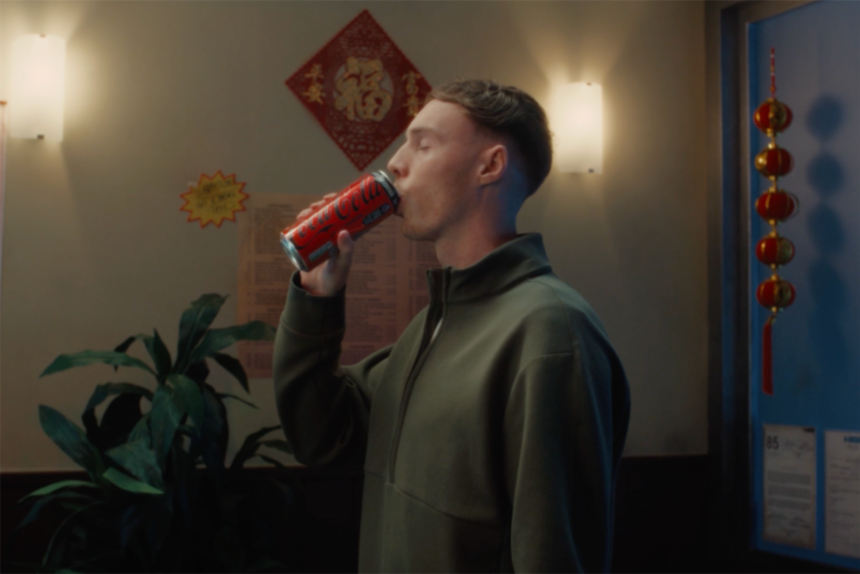
The Coca-Cola Company has appointed Whalar as its social and influencer agency, marking another decisive shift by a global consumer giant toward creator-led marketing, culture-driven storytelling and digital-first audience engagement. The partnership opens with a high-visibility campaign featuring England and Chelsea footballer Cole Palmer, launched on 27 April, alongside the announcement of Palmer as a new Coca-Cola brand ambassador.
The move is more than a routine agency appointment. It reflects a broader transformation in how the world’s biggest brands now compete for attention. In the platform age, visibility is no longer won primarily through television dominance or static celebrity endorsements. It is increasingly earned through creators, communities, cultural relevance and the speed of social conversation.
For Coca-Cola, one of the most recognisable brands in modern commerce, the Whalar appointment suggests that even iconic legacy brands are redesigning their marketing architecture for a new generation of consumers.
Why the Appointment Matters
Coca-Cola has long been one of the world’s most sophisticated marketers, famous for mass media campaigns, emotional brand storytelling and global sponsorships. Yet the communications environment that made those models dominant has changed sharply.
Younger consumers now spend more time on TikTok, Instagram, YouTube and creator ecosystems than on traditional broadcast channels. Attention is fragmented. Trends move quickly. Communities shape brand perception in real time. Trust often flows through personalities rather than institutions.
In this environment, brands need partners who understand not only advertising but internet culture.
Whalar has built its reputation in influencer strategy, creator partnerships and social-led brand campaigns. Its appointment by Coca-Cola signals that creator expertise is moving from the edges of marketing into the centre of global brand strategy.
Why Cole Palmer Is a Smart Choice
Launching the partnership with Cole Palmer is strategically astute.
Palmer combines elite sporting credibility with cultural momentum. As an England international and Chelsea player, he appeals to football audiences across the UK, Europe, Africa and beyond. He also resonates with younger demographics who value authenticity, understated confidence and contemporary relevance over polished celebrity distance.
Modern ambassadors are chosen less for fame alone and more for shareability.
Palmer represents a new type of endorsement asset: digitally native, socially visible and connected to fan communities that generate constant content. His appeal stretches beyond match performance into meme culture, youth identity and everyday relatability.
That makes him commercially valuable in today’s media economy.
The End of Old Celebrity Marketing
For decades, brand ambassador models were straightforward. A famous athlete or actor appeared in television commercials, billboards and event appearances. Visibility flowed one way, from brand to audience.
Today, influence is participatory.
Fans remix moments, circulate clips, create jokes, respond to posts and build narratives around personalities. The ambassador is no longer just a face. They are a node inside a living media network.
This is why Coca-Cola’s appointment of a specialist influencer agency matter. The task is no longer merely booking talent. It is managing relevance across fast-moving platforms where audience reaction can amplify or undermine campaigns within hours.
Why Legacy Brands Need Social Reinvention
Coca-Cola remains one of the strongest consumer brands globally, but scale alone does not guarantee future relevance. Large legacy brands face three common risks:
First, they can appear distant from youth culture.
Second, their messaging can become overly corporate in conversational platforms.
Third, they may rely too heavily on past brand equity rather than present participation.
Social-first partnerships help solve these problems by embedding brands inside current culture rather than speaking at it from above. For Coca-Cola, the Whalar appointment likely aims to ensure the brand remains emotionally current with Gen Z and emerging consumers without losing its universal appeal.
What This Means for Agencies
The appointment also sends a message to traditional agency networks.
The old separation between creative agency, media agency, PR agency and influencer shop is weakening. Clients increasingly want integrated partners who can combine strategy, creators, production, community management, analytics and reputation control.
Whalar’s rise illustrates how specialist firms can become strategic players when they master fast-growing disciplines earlier than incumbents.
For large holding companies, the implication is clear: creator capability can no longer be treated as an add-on service. It must be core.
Why Africa Should Pay Attention
This development has important lessons for African brands and agencies. Africa has one of the youngest populations in the world, rising smartphone penetration and rapidly growing creator communities. In markets such as Nigeria, South Africa, Kenya and Ghana, influencers already shape conversations around music, fashion, fintech, sport and consumer goods.
Yet many African companies still underinvest in creator strategy or use influencer marketing tactically rather than structurally. Coca-Cola’s move suggests a more mature model: long-term partnerships, audience mapping, cultural storytelling and ambassadors chosen for community resonance.
Brands across Africa can learn from this. The next generation of category leaders may be those who combine strong products with smart creator ecosystems.
Football Remains Global Marketing Currency
There is also a reminder here about the enduring commercial power of football. Even in the age of short-form video and AI targeting, football remains one of the few truly global cultural platforms. A player like Cole Palmer can connect London, Lagos, Johannesburg, Dubai and Jakarta through shared fandom. For multinational brands, footballers still offer unmatched reach when paired with digital distribution. But unlike earlier eras, that reach now needs social amplification to convert awareness into conversation.
Reputation and Risk in the Creator Age
Influencer-led strategies bring upside, but also complexity. Creators and athletes operate in highly scrutinised environments. Performance dips, controversies, online backlash or cultural missteps can affect brand partnerships quickly. This means social agencies must increasingly function as reputation managers as much as campaign builders.
The best firms will combine talent sourcing with risk intelligence, sentiment monitoring and agile content response. That is one reason brands are choosing specialist partners rather than relying solely on conventional ad models.
Final Analysis
Coca-Cola’s appointment of Whalar as social and influencer agency, launched through a Cole Palmer ambassador campaign, is a sign of where modern marketing is headed. The future belongs to brands that understand that attention is social, trust is relational and culture moves faster than corporate planning cycles. Legacy fame is no longer enough. Brands must participate in conversations, not just sponsor them.
For Coca-Cola, this is a strategic refresh. For agencies, it is a warning. For emerging markets, it is a blueprint. And for marketers everywhere, the message is unmistakable: in the creator economy, influence is no longer a side channel. It is the main stage.