


The decision by Freemans to appoint Meanwhile as its creative partner may look like a routine development in Britain’s advertising market. It is better read as evidence of a deeper commercial shift. Retailers are beginning to accept that growth built only on performance marketing is becoming harder, costlier and less durable.
For much of the past decade, many brands believed customer acquisition could be engineered through search ads, retargeting, discount offers and conversion optimisation. Marketing became a game of dashboards and attribution models. Creativity was often treated as cosmetic rather than commercial.
That era is fading.
The Age of Cheap Clicks Is Over

Digital advertising once offered abundant low-cost growth. Brands could buy traffic efficiently, track results instantly and scale rapidly. But the economics have deteriorated.
Customer acquisition costs have climbed. Social and search platforms are crowded. Consumers are bombarded by repetitive promotional messages. Loyalty has weakened as switching brands has become easier. In this environment, performance tools still matter, but they no longer provide an easy route to expansion. Efficiency can capture demand. It struggles to create it.
That is why the Freemans appointment matters.
Freemans Is Rebuilding More Than Marketing
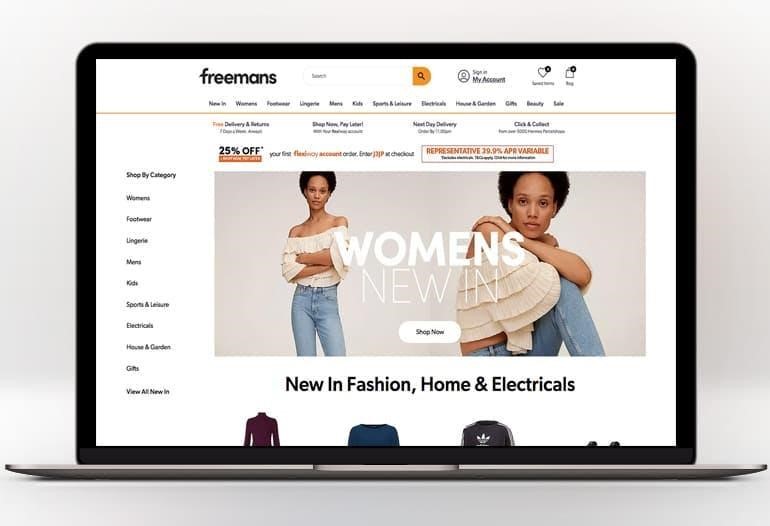
Freemans has spent recent years transforming itself from a catalogue era retailer into a modern digital first department store. That kind of transition is not simply operational. It is strategic and psychological.
When a retailer changes channel, customer base and competitive set, it must also redefine what it means to consumers. Legacy recognition alone is rarely enough to win younger digital shoppers. A brand must feel current, relevant and differentiated.
The hiring of Meanwhile suggests Freemans believes the next phase of growth requires more than media efficiency. It requires stronger meaning, clearer identity and sharper emotional relevance.
Why Creativity Has Returned to the Centre of Growth
For years, many companies treated brand building as secondary to short term sales activation. Yet markets eventually punish sameness. Creativity has re-emerged because it performs several commercial functions at once.
First, it creates memory. In a crowded market, consumers notice and recall distinctive brands more easily. Second, it supports pricing power. Customers are generally less price sensitive when they trust or admire a brand. Third, it improves media returns. Strong creative campaigns often make paid media more effective because audiences engage more readily. Fourth, it builds loyalty. Retail growth depends not only on first purchases, but on repeat behaviour and customer lifetime value.
In short, creativity is not art for art’s sake. It is economic infrastructure.
Why Independent Agencies Are Winning Again
The choice of Meanwhile is also revealing. Across many markets, brands are increasingly willing to move away from large holding company structures in favour of independent agencies.
The reasons are practical. Clients often expect quicker decision making, more senior attention, closer chemistry and less bureaucracy. In volatile markets, speed has become a strategic asset. For challenger brands and mid-sized companies especially, agility can be more valuable than scale.
The Lesson for African Brands
This story carries relevance well beyond Britain. Many African companies still confuse marketing with promotion. Discounts, giveaways and bursts of tactical advertising may stimulate temporary demand, but they rarely create enduring preference. As competition intensifies across sectors such as retail, banking, telecoms and ecommerce, sustainable growth will increasingly depend on stronger brand assets.
That means clear positioning, cultural relevance, emotional connection, trust and consistent storytelling. Brands such as Jumia, Shoprite, Spar, Konga and fast growing direct to consumer players face the same reality confronting European retailers: if products and prices are comparable, branding becomes more valuable.
The Rise of Intangible Capital
Modern competition increasingly rewards assets that cannot be easily copied. These include reputation, customer trust, brand equity, creative systems, data intelligence and loyal communities. Such assets often compound in value over time, unlike discounts which expire quickly.
Seen through this lens, Freemans’ agency appointment is not merely a marketing spend decision. It is an investment in intangible capital. That may prove more valuable than another round of promotional campaigns.
What Could Go Wrong
Agency appointments are not magic. Many fail because businesses expect communications to solve structural problems. If customer experience is weak, product value unclear or internal leadership divided, advertising alone cannot rescue growth. Creativity works best when paired with operational discipline, strategic patience and a business model that genuinely serves customers.
The Bigger Global Correction
What is happening at Freemans reflects a wider reset in corporate strategy. After years of overdependence on measurable but narrow performance metrics, brands are rediscovering an older truth. People do not buy only what is cheapest or most visible. They buy what they recognise, trust and feel connected to.
That truth is now returning to boardrooms.
BrandiQ Verdict
Freemans hiring Meanwhile may look like a modest agency move. It is more significant than that. It signals that retail competition is entering a tougher phase where efficiency alone cannot guarantee growth. As digital channels become crowded and consumers become harder to impress, creativity is regaining status as a strategic growth engine.
For business leaders everywhere, including in Africa, the message is clear. If competitors can copy your price, match your media spend and imitate your product, then the meaning of your brand may be the last real moat left.